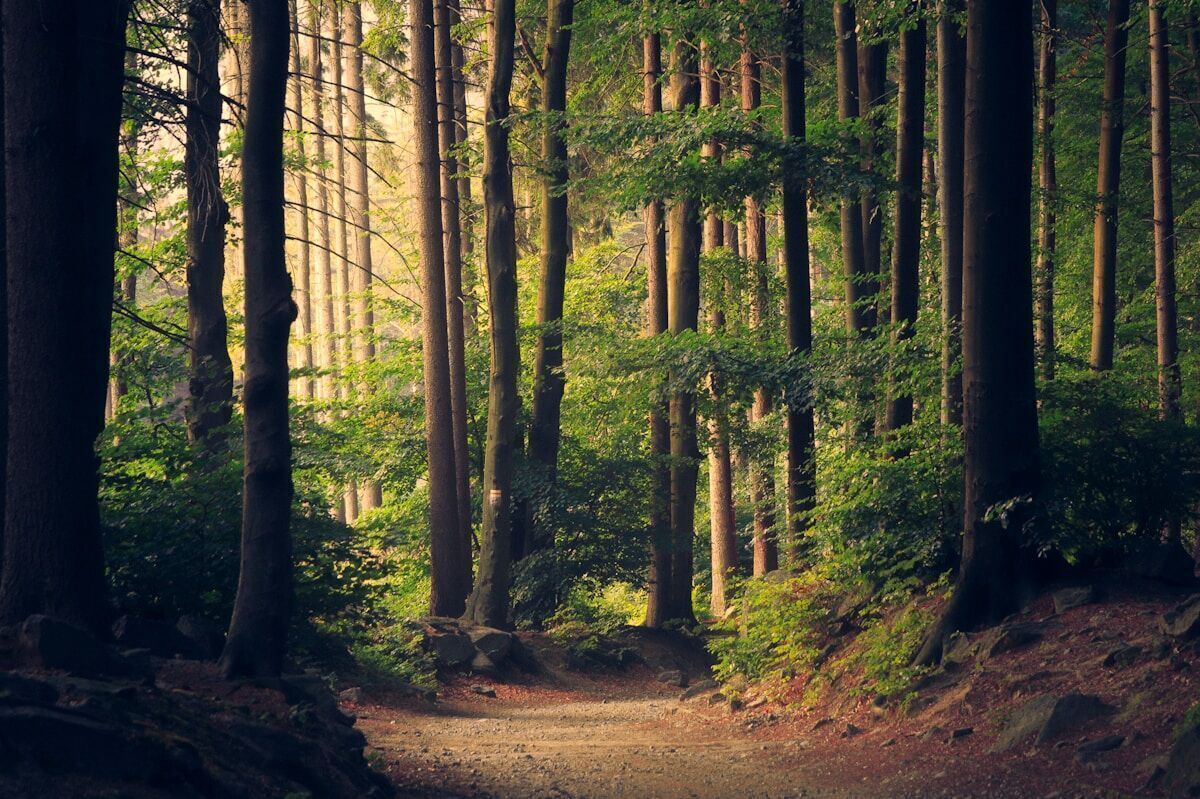
High in the mist-bound valleys of southwest China, a minimalist sanctuary fuses raw Bai architecture with understated lu
The morning begins with the sound of water trickling into a hand-carved basalt basin, a slow, metallic cadence that echoes across the courtyard before the rest of the mountain wakes. I sit on a bench of salvaged black walnut, watching the first pale beam of sunlight cut through the mist and catch the grain of a hand-troweled lime-plaster wall. In my palms, a unglazed ceramic cup holds hot tartary buckwheat tea. Its steam rises, smelling of toasted grain and wet pine needle, before dissolving into the vast, cool stillness of the room.
I have been living here for three weeks at this wellness base tucked into the pine-covered slopes of Western Yunnan. In travel writing, luxury is often defined by excess—by what is added to a space to assert its value. Here, luxury is entirely a matter of what has been quietly, deliberately left out.
The design sits at an intriguing intersection: European spatial restraint meets the centuries-old wabi-sabi sensibilities of southwest China’s ethnic minorities. The primary structure uses the traditional three-bay timber frame of local Bai architecture, but stripped of decorative painting to expose the silver-gray patinated wood, weathered by decades of highland sun. Glass walls four meters high frame the shifting mountain weather like monochromatic scrolls. Inside, floorboards of oil-rubbed larch feel cool and silky beneath bare feet, anchored by cast-concrete hearths that retain the gentle heat of burning oak coals long into the damp nights.
There are no rigid schedules here, no clinical wellness itineraries printed on heavy cardstock. Healing, if one wishes to call it that, arrives through the senses, mediated by the materials around you. My suite faces a dense grove of wild bamboo. At mid-morning, the shadows of leaves flicker against the off-white linen drapes like ink wash paintings. In the corner of the room, a sunken bath, hewn from dark Tengchong volcanic stone, holds warm mineral water steeped with fresh artemisia leaves gathered from the ridge behind the kitchen. Sitting in the dark water, listening to the gentle hiss of rain against the cedar-shingled roof, the noise of the world outside compresses until only the weight of the present remains.
Living slow changes the way you taste. The food program reflects the same philosophy of quiet rusticity. Midday meals are taken at a long table built from an old granary door, where light filters softly through overhead slatted timber. Today, Chef Zhou brings out a blackened clay pot filled with a golden broth of wild matsutake mushrooms—harvested at dawn from the high oak forests—and mountain chicken. Beside it sit small dishes of hand-torn mustard greens drizzled with cold-pressed rapeseed oil, dark fermented tofu dusted with toasted chili, and heirloom red rice steamed in woven bamboo baskets. There is no pretense, no complex emulsifications. The broth tastes profoundly of loam, autumn rain, and smoke—a direct line to the earth beneath our feet.
In the afternoons, I often walk down to the tea pavilion, a open-air structure built over a stone reflection pool. The tea master, a local woman whose family has picked tea in these mountains for four generations, brews a 2012 fermented Pu’er in a small, pitted Yixing teapot. She pours without speaking, her movements fluid and unhurried. The tea is deep amber, carrying notes of damp autumn leaves, dried jujube, and old cedar chests. We sit together in a shared, comfortable silence, watching small ripples form on the black surface of the pool as a light drizzle begins to fall.
As twilight settles over the valley, the property softens into deep tones of charcoal, slate, and indigo. Hidden copper fixtures spill amber light across rough stone pathways, guiding the way back to the main hearth. I sit by the open fire, watching a single log turn to powdery white ash, feeling the quiet pulse of a space that honors imperfection, age, and breath.
In our hurried lives, we often build walls to keep the world out. This sanctuary does something far rarer: it creates an opening, allowing the wild, imperfect beauty of the world to come gently back in.
读过之后,想来住几天吗?
朴归山居 · 云南升官屯 — 22°C 的东方侘寂旅居。
相关阅读
The Quiet Luxury of Yunnan: Where Wabi-sabi Meets Western Minimalism(云南旅居)
Beyond the crowds of Dali, a hidden valley in Yunnan unfolds
Yunnan's Hidden Glamping Paradise: Where Wabi-Sabi Meets Western Minimalism(云南旅居)
Among Yunnan's mist-wrapped mountains, a new breed of wilder
Wabi-Sabi and the Wired Life: A Digital Nomad's Yunnan(云南旅居)
In the mist-wrapped mountains of Yunnan, ancient Chinese imp