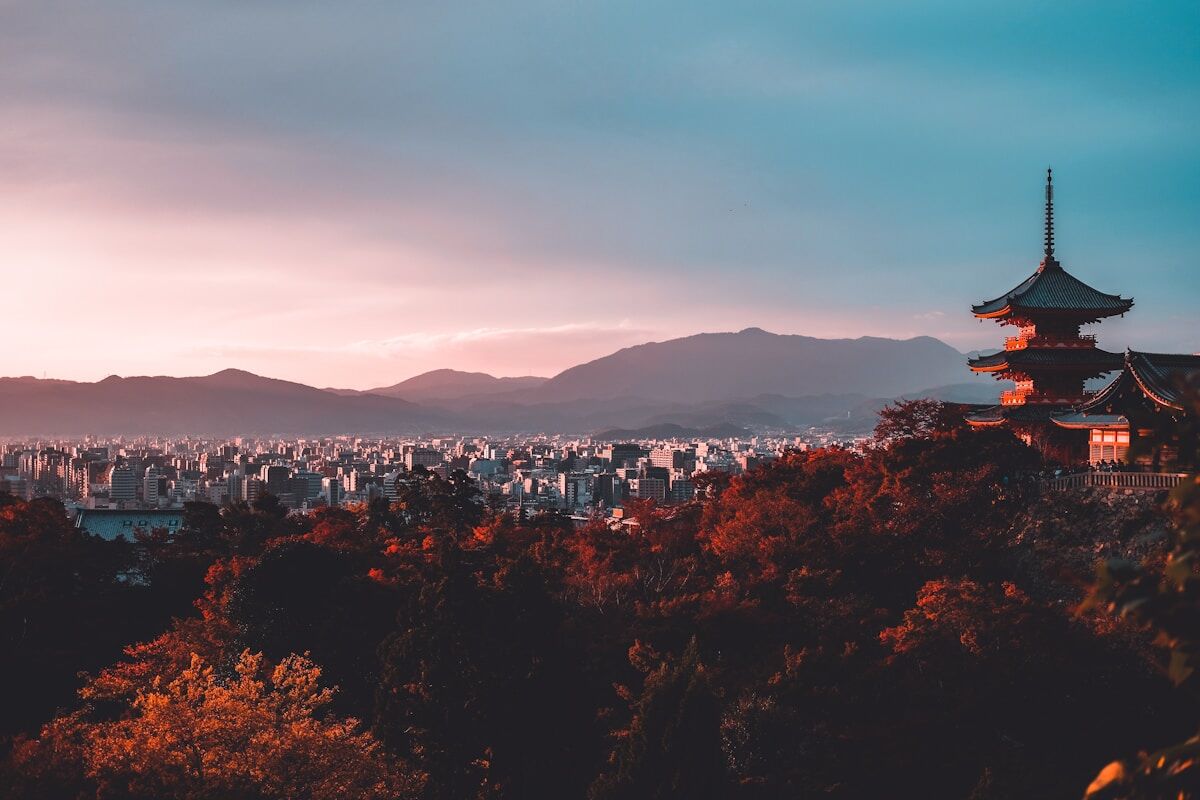
High in the mountain folds of Yunnan, where raw cedar meets cold highland air, a serene retreat redefines luxury through
Have you ever noticed how cold air strips a landscape down to its essential geometry?
Here in Shengguantun, a high-altitude village tucked into a quiet ridge of northern Yunnan, winter does not arrive with soft compromise. It clears the stage. At dawn, the air is thin, pristine, and sharp, carrying the faint, crisp scent of dried needle-litter and distant oak smoke. I sit on a low bench carved from a single slab of dark, unpolished slate, watching the first pale amber sunlight cut through the courtyard of this mountain hideaway. The mountain chill presses against my skin, but beneath the slate, hidden warmth radiates upward, anchoring me to the stone.
For three weeks now, this sanctuary has been my universe. The retreat sits at the subtle boundary where the ancient village ends and the wild scrub-pines begin. Architecturally, it is an understated triumph—a quiet conversation between Western minimalist discipline and the unpretentious grace of Japanese wabi-sabi, executed entirely through the hands of local Bai masons. There are no gilded fixtures, no heavy drapery, no eager attempts to impress. Luxury here is measured in space, in the weight of real timber, and in the exquisite way the highland sun slides across unvarnished lime-plaster walls.
Inside my suite, the material palette is stripped of all superfluous noise. The wide-plank oak floor beneath my feet is wire-brushed and lightly oiled, cool to the touch until the invisible radiant heat swells beneath it mid-morning. A low-slung platform bed is dressed in heavy, unbleached Belgian linen the color of dry river oats. Beside it stands a single, hand-thrown ceramic vessel—its glaze crazed and slightly pitted from the kiln—holding a single dried teasel stalk gathered from the ravine behind the kitchen. The vast floor-to-ceiling windows, framed in slender charcoal steel, do not merely look out onto the valley; they isolate it like a grand ink-wash painting. Every morning, tiny fronds of frost etch delicate, temporary lace along the lower corners of the glass, only to melt away as the sun mounts the ridge.
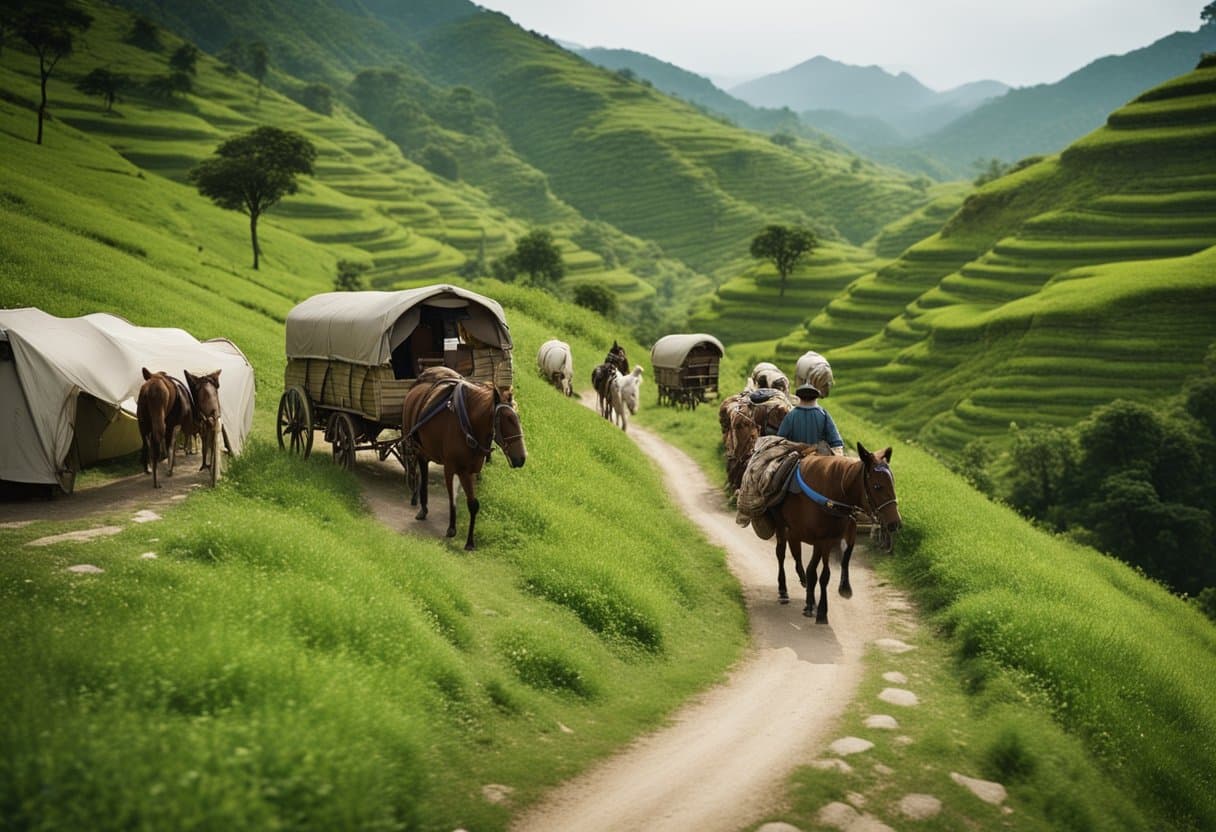
To step outside the retreat’s clay-rendered boundary wall is to slip into a gentler century. The village of Shengguantun winds along cobble lanes worn smooth by generations of iron-shod hooves and straw sandals. In winter, when agricultural work slows, the village elders gather on the south-facing stone terraces, wrapped in thick blue felt capes, their faces deeply lined like the surrounding hills. You hear the crisp *clack-clack* of a handloom through an open timber doorway, the crunch of frosted gravel under heavy boots, and the high, sweet chime of a brass bell around the neck of a passing pack pony carrying bundles of split firewood.
By midday, the high-altitude sun generates a dry, astonishing warmth that invites stillness. I take tea on the south terrace, where a heavy cast-iron brazier hums with low, red-hot embers of local charcoal. The host brings out a cake of aged Pu'er tea, compressed a decade ago in the humid valleys further south. Steeped in boiling mountain spring water using a dark, unglazed Yixing teapot, the tea pours a rich amber-red. It tastes of autumn moss, wet stone, and dried plums. Holding the ceramic cup—its rim imperceptibly crooked from the artisan's thumb—I watch the vapor rise and disperse into the vast, cloudless blue overhead. There is no urgency here, no schedule to keep, only the quiet accumulation of moments.
Meals are an extension of this restorative philosophy, cooked with grounded, unpretentious elegance. The winter kitchen celebrates the cold season with deeply nourishing simplicity. For lunch, an earthenware pot arrives simmering gently at the table, containing a golden broth made from local mountain chicken, sun-dried matsutake mushrooms harvested during the autumn rains, and thin ribbons of aged, wind-cured Yunnan ham. On the side sit coarse bowls of black mountain rice and wild winter greens flash-seared in tea-seed oil with a pinch of crushed mountain pepper. The flavors are clean, deep, and deeply comforting, warming the chest long after the last spoonful is finished.
As four o'clock approaches, the shadows lengthen, performing their quiet daily ritual. The crisp angles of the building cast long, violet geometric shapes across the gravel courtyard. The retreat doesn't try to lock the winter out; instead, it frames it, honoring the season's spare, solitary nature. In the subtle cracks of the courtyard flagstones and the soft patina building on the heavy brass door handles, you recognize the quiet poetry of impermanence.
By six, dusk falls fast, wrapping the valley in indigo. The temperature drops sharply within minutes. Inside the main lounge, a fire of aromatic applewood crackles in an open concrete hearth, filling the room with a subtle, fruity perfume. I sink into a low leather chair, a glass of dark Yunnan port in hand, watching the sparks drift up into the shadows. In this remote corner of the world, far removed from the hyper-connected noise of modern life, luxury reveals its true face: not as abundance, but as the quiet courage to slow down, clear the room, and let the beauty of the world speak for itself.
读过之后,想来住几天吗?
朴归山居 · 云南升官屯 — 22°C 的东方侘寂旅居。
相关阅读
The Quiet Luxury of Yunnan: Where Wabi-sabi Meets Western Minimalism(云南旅居)
Beyond the crowds of Dali, a hidden valley in Yunnan unfolds
Yunnan's Hidden Glamping Paradise: Where Wabi-Sabi Meets Western Minimalism(云南旅居)
Among Yunnan's mist-wrapped mountains, a new breed of wilder
Wabi-Sabi and the Wired Life: A Digital Nomad's Yunnan(云南旅居)
In the mist-wrapped mountains of Yunnan, ancient Chinese imp