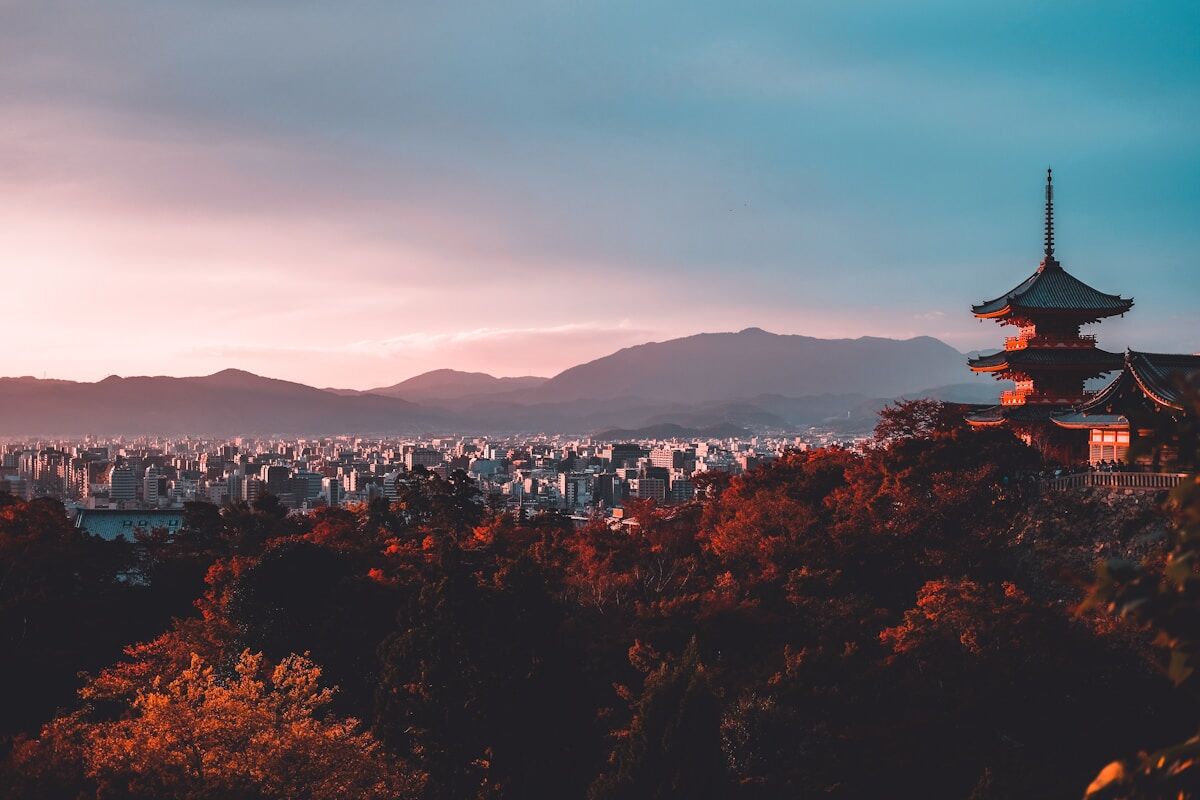
Imagine stepping into a realm where tradition whispers through the stones and nature's beauty dances with simplicity. Welcome to Shengguantu
The morning sun had barely kissed the world when I arrived in Shengguantun. It was a question that lingered in the air, a gentle inquiry that I couldn't quite grasp. What was the essence of this place, so deeply rooted in the Chinese spirit yet so open to the world's embrace? The first thing that caught my eye was the intricate latticework of the wooden gates that led into the village. Their surface, weathered by time, bore the gentle marks of countless footsteps. The wood, aged and smooth, seemed to speak of stories untold. The morning light filtered through the gaps, casting dappled shadows that danced across the cobblestone path. I wandered in, my footsteps echoing in the quiet. The air was crisp, carrying the faint scent of pine from the surrounding mountains. The buildings, constructed with the same wooden beams and tiles, seemed to blend seamlessly with the natural landscape. It was a harmony that spoke of a deep respect for nature, a wabi-sabi philosophy that embraced imperfection and the passage of time. My first stop was the Shengguantun Ancient Village. The architecture here was a testament to the region's rich history. The traditional Yunnan buildings, with their sloping roofs and red walls, were a feast for the eyes. Each structure was a canvas, its surface adorned with intricate carvings and motifs that told tales of yore. The wooden shutters, slightly ajar, allowed a sliver of light to filter through, creating a serene atmosphere that felt both ancient and timeless. As I moved through the village, I was struck by the absence of noise. The gentle hum of a distant brook was the only sound that pierced the silence. The water, flowing over smooth stones, sang a soothing tune that seemed to harmonize with my own heartbeat. The stone bridges that crossed the stream were not grandiose but simple, their presence enough to connect the two banks without the need for flourish. In the heart of the village, I stumbled upon a small tea house. The wooden interior, with its warm, inviting glow, beckoned me in. I took a seat at a table crafted from the same aged wood as the gates, feeling a sense of connection to the place. The tea, a blend of local herbs and spices, was served in delicate porcelain cups that reflected the light and cast a warm glow. The flavors were subtle, a blend of earthiness and sweetness that cleansed the palate and cleared the mind. Lunch was a culinary journey through Yunnan's diverse flavors. The meal was served on simple ceramic plates, each dish a testament to the region's rich agricultural heritage. The hand-pulled noodles, fresh from the wok, were a testament to the skill of the chef. The accompanying vegetables, picked that morning from the surrounding fields, were crisp and vibrant, their natural flavors shining through. The spicy chili oil, a staple of Yunnan cuisine, added a fiery warmth that made the meal memorable. As the afternoon waned, I found myself at the village's temple. The architecture was modest, but the atmosphere was profound. The air was thick with incense, its sweet scent mingling with the sound of distant prayers. The temple, a place of reflection and meditation, seemed to hold the essence of Shengguantun in its walls. It was a moment of tranquility, a pause in the relentless pace of modern life. As the sun dipped below the horizon, painting the sky in shades of orange and pink, I found myself at the village's edge. The view was breathtaking, the mountains stretching out into the distance, their peaks lost in the twilight. The setting sun cast a golden glow over the village, transforming the aged wood and red walls into a canvas of light and shadow. The question that had lingered in the air when I arrived now had an answer. Shengguantun is a place of harmony, where tradition and nature coexist in perfect balance. It is a place where wabi-sabi meets Western minimalism, creating a space that is both simple and profound, a sanctuary for the soul.

Share Your Thoughts
Have you ever experienced a farm stay in China? Share your thoughts in the comments below!
Join the Discussion →Ready for a stay?
Pugui Mountain Retreat — wabi-sabi living at 22°C.
Related Reading
The Quiet Luxury of Yunnan: Where Wabi-sabi Meets Western Minimalism
Beyond the crowds of Dali, a hidden valley in Yunnan unfolds
Yunnan's Hidden Glamping Paradise: Where Wabi-Sabi Meets Western Minimalism
Among Yunnan's mist-wrapped mountains, a new breed of wilder
Wabi-Sabi and the Wired Life: A Digital Nomad's Yunnan
In the mist-wrapped mountains of Yunnan, ancient Chinese imp