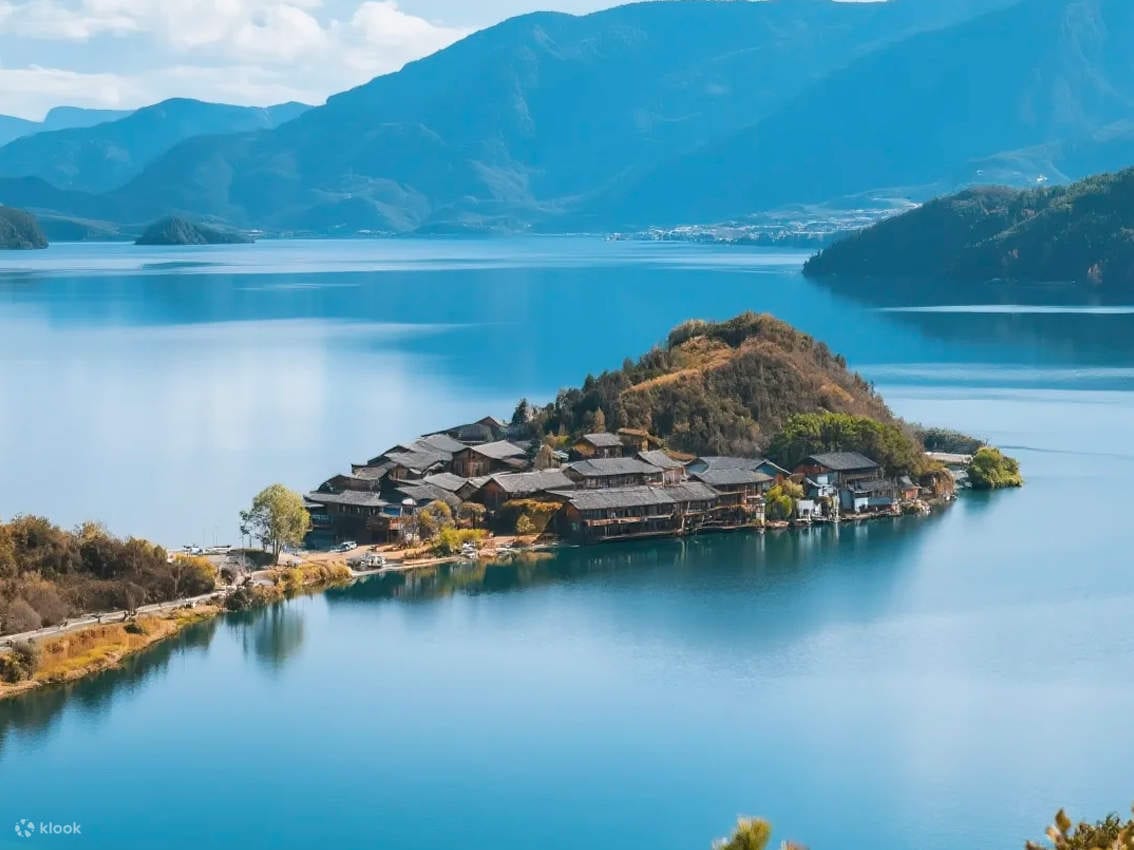
By the shores of Lugu Lake, encounter the world's last matriarchal society. Canoe through morning mist, Mosuo songs drifting on the water.
From Lijiang, crossing five mountain ranges and the Jinsha River gorge — Lugu Lake suddenly appears, a sapphire cupped in the hands of mountains.
This is the home of the Mosuo people, the world's last matriarchal society. In Mosuo culture, grandmothers lead the household, property passes through the female line, and children take their mother's surname. The famous "walking marriage" — where couples don't form fixed families but meet at night and part at dawn — continues in lakeside villages today.
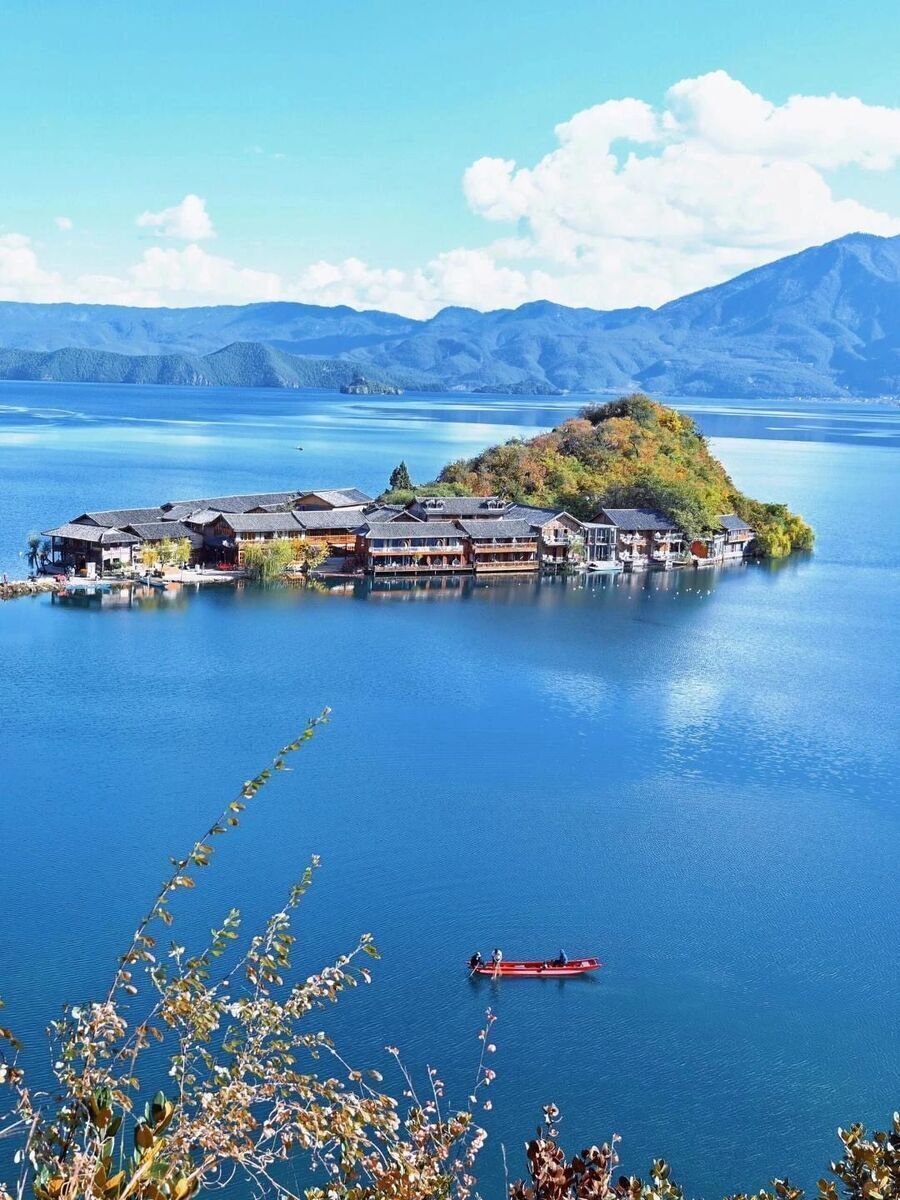
I stayed with a Mosuo family on Lige Peninsula. Host Azhima is the third-generation matriarch. At dawn, she takes me to the dock and we board a zhucaochuan — a canoe carved from a single log. Morning mist drifts across the lake. She sings a Mosuo folk song, her voice floating over the water. Time stops.
In the afternoon, she shows me the grandmother's house. At its center burns an eternal fire, above which hang air-dried pork — symbols of Mosuo wealth. Some pieces are over thirty years old. "The grandmother's house is our most sacred space," Azhima says. "All births, deaths, and ceremonies happen here."
Lugu Lake taught me this: not all peoples must walk the same path. The very existence of a matriarchal kingdom is the best testament to human diversity.

Share Your Thoughts
Have you ever experienced a farm stay in China? Share your thoughts in the comments below!
Join the Discussion →Ready for a stay?
Pugui Mountain Retreat — wabi-sabi living at 22°C.
Related Reading
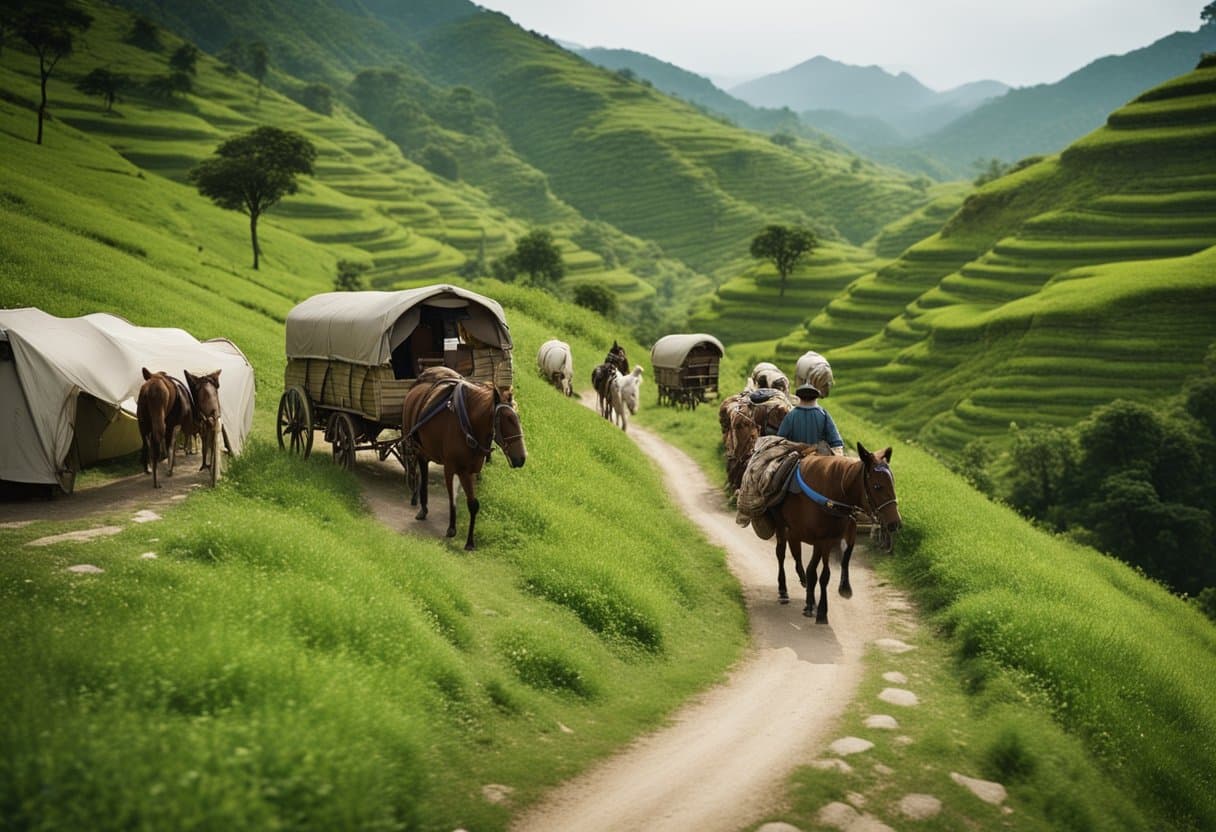
The Tea Horse Road: Last Memories of the Caravans
Following thousand-year-old hoof prints into the Hengduan Mo
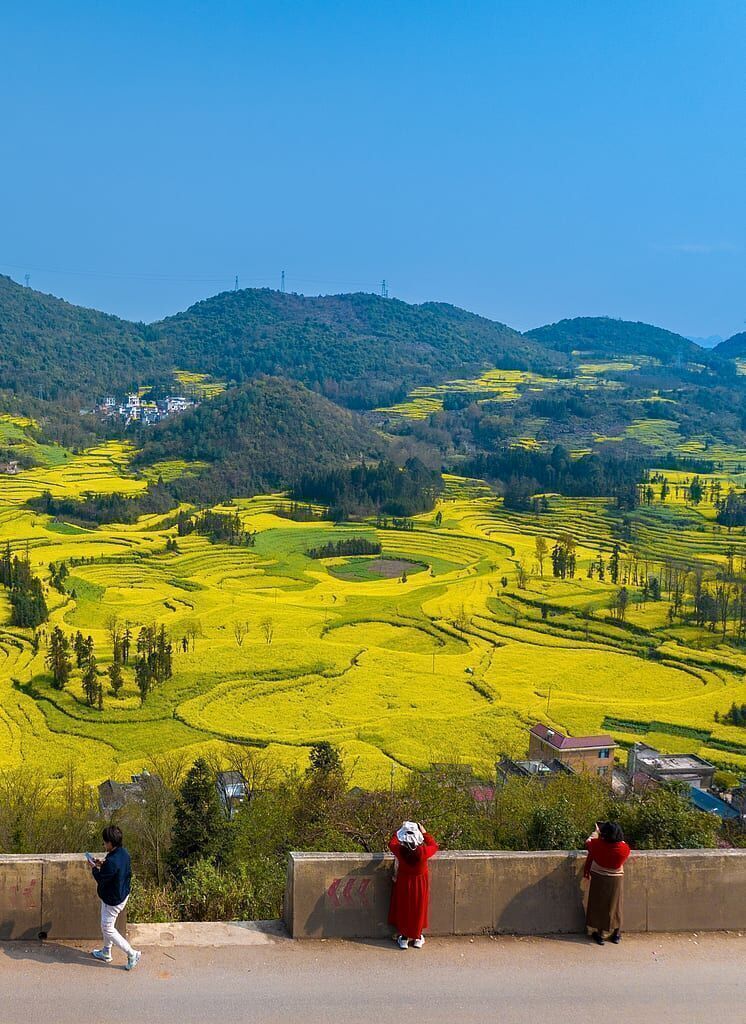
Qujing: Summer Healing at the Source of the Pearl River
Year-round 15°C coolness, the pure source of the Pearl River
Lijiang: A Summer Retreat in the Naxi Kingdom
Coolness at 2,400 meters, the mystery of Naxi Dongba culture