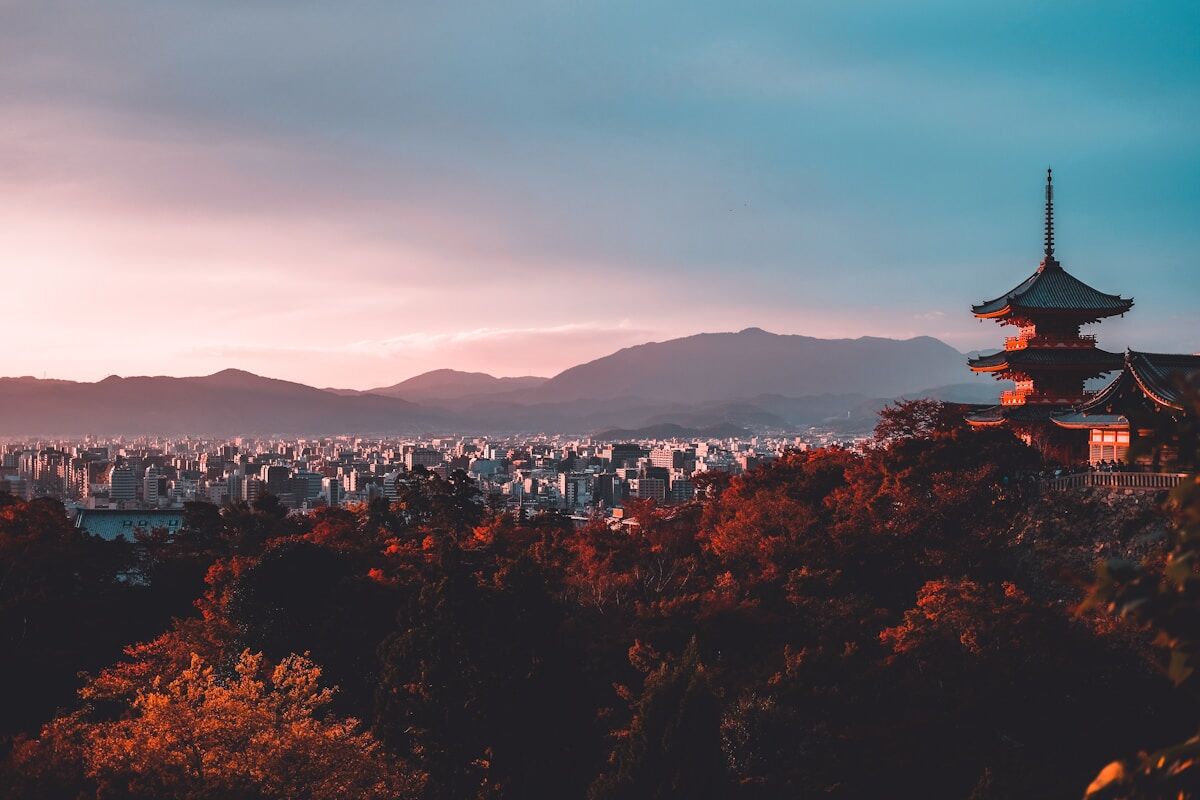
True luxury in China's southwestern highlands is not found in polished marble or grandeur, but in the quiet texture of rammed earth, thermal
To stay long enough in Yunnan is to realize that true luxury has nothing to do with gilding or noise. It sits, instead, in the uneven grain of hand-planed pine, the cool press of damp slate underfoot, and the lingering vapor of high-mountain tea brewed over dying charcoal. After seasons spent wandering China’s southwestern highlands, my conclusion is clear: the finest long-stay residencies in Yunnan do not attempt to conquer the landscape; they surrender to it. If you seek a space to write, create, or simply inhabit stillness for a month or a season, three distinct hideaways offer the rarest modern indulgence—uninterrupted time framed by tactile restraint.
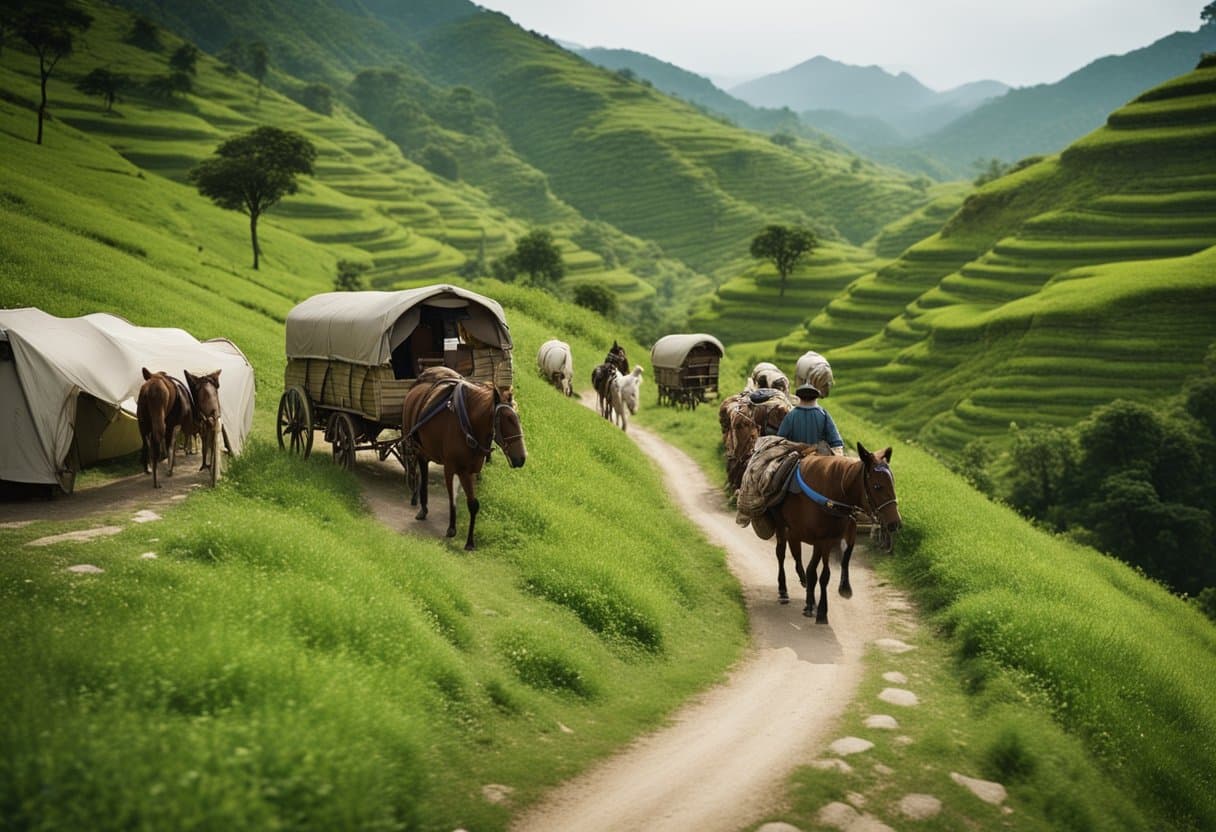
First is the high, quiet basin of the Shaxi Valley. Tucked between Dali and Lijiang, this ancient sanctuary on the Tea Horse Road remains remarkably untouched if you know where to anchor yourself. I spent six weeks in a converted rammed-earth courtyard house on the quiet periphery of the valley. Here, the architecture is a serene dialogue between traditional Bai masonry and modern Scandinavian minimalism. The walls, thick and sun-baked, trap the crisp mountain chill of dawn until midday, when amber light spills softly through narrow timber eaves.
Mornings in Shaxi carry an elemental rhythm. You wake not to traffic, but to the rhythmic thud of a wooden pestle grinding buckwheat in the village, the soft drip of mist falling from slate tiles, and the wind whispering through dry pine forests above. My days unfolded around a low desk crafted from reclaimed elm, watching square patches of sunlight move slowly across raw paper-lined screens. Lunch was always simple, brought on unglazed stoneware: wild chanterelles sautéed with aged Xuanwei ham, its rendered fat infusing the mushrooms with a rich, smoky depth that tasted purely of the forest floor. Shaxi demands nothing of your ego. Its luxury lies in its gentle impermanence—the way incense smoke leaves a delicate layer of gray dust on raw beams, reminding you of the beauty in things left alone.
Following the mountain veins south toward the Cangshan range, the northern shoreline of Lake Erhai offers a colder, more luminous form of retreat. Away from the commercial pulse of Dali’s main towns, near the quiet fringes of Xizhou, lie stone residencies designed specifically for prolonged creative work. These spaces strip away decorative clutter in favor of vast, floor-to-ceiling glass panels that frame the ever-shifting moods of the lake and sky.
My weeks along the water were defined by light and silence. Wrapped in thick, hand-spun yak wool, I spent hours watching the slate-gray waters of Erhai mirror the heavy clouds rolling over Cangshan’s peaks. The interior palette is deliberately austere: poured concrete floors, river-washed cobbles, and pale, untreated bamboo. The soundscape is entirely maritime—the low, rhythmic lap of water against ancient stone sea-walls and the occasional high call of black-headed gulls wintering on the lake. In the late afternoons, when the highland sun cuts sharply across the water, I would brew local silver-needle white tea in a simple porcelain gaiwan. The liquor was pale green, smelling softly of dried hay and mountain rain. The spatial clarity here acts as a mirror for the mind; without distraction, thoughts settle like sediment in still water.
Further southwest, near the volcanic borderlands of Tengchong, the atmosphere shifts again—grounded, subterranean, and intensely visceral. The long-stay sanctuaries hidden in the dense folds of the Gaoligong mountains offer a deeper, more secret kind of solace. Here, design leans into dark volcanic basalt, charred cedar, and the dark richness of the earth.
In Tengchong, mornings arrive shrouded in thick mountain fog that smells of damp moss, pine resin, and faint geothermal sulfur. My studio opened directly onto a private courtyard carved from porous black rock. Every evening, after hours spent at the writing table, I would sink into a hot spring bath drawn straight from the earth below. The thermal water, dense with minerals, softened the cool edge of the evening air while wind rustled through the bamboo canopy overhead. Meals were deeply comforting: bitter mountain greens flash-fried in cold-pressed rapeseed oil, served alongside bowls of steaming heirloom rice cooked over open wood flames. Tengchong feels protective, almost womb-like—a dark, warm refuge built against the vastness of the highland wild.
Yunnan does not offer instant delight to the rushed traveler. Its true character requires patience, a quieted mind, and an eye for the soft patina of age. Whether it is the sun-warmed clay of Shaxi, the glass-and-slate stillness of Erhai, or the volcanic heat of Tengchong, these residencies provide far more than comfortable shelter. They offer an architectural sanctuary where Western minimalism meets the raw, imperfect, and timeless soul of the earth.

Share Your Thoughts
Have you ever experienced a farm stay in China? Share your thoughts in the comments below!
Join the Discussion →Ready for a stay?
Pugui Mountain Retreat — wabi-sabi living at 22°C.
Related Reading
The Quiet Luxury of Yunnan: Where Wabi-sabi Meets Western Minimalism
Beyond the crowds of Dali, a hidden valley in Yunnan unfolds
Yunnan's Hidden Glamping Paradise: Where Wabi-Sabi Meets Western Minimalism
Among Yunnan's mist-wrapped mountains, a new breed of wilder
Wabi-Sabi and the Wired Life: A Digital Nomad's Yunnan
In the mist-wrapped mountains of Yunnan, ancient Chinese imp