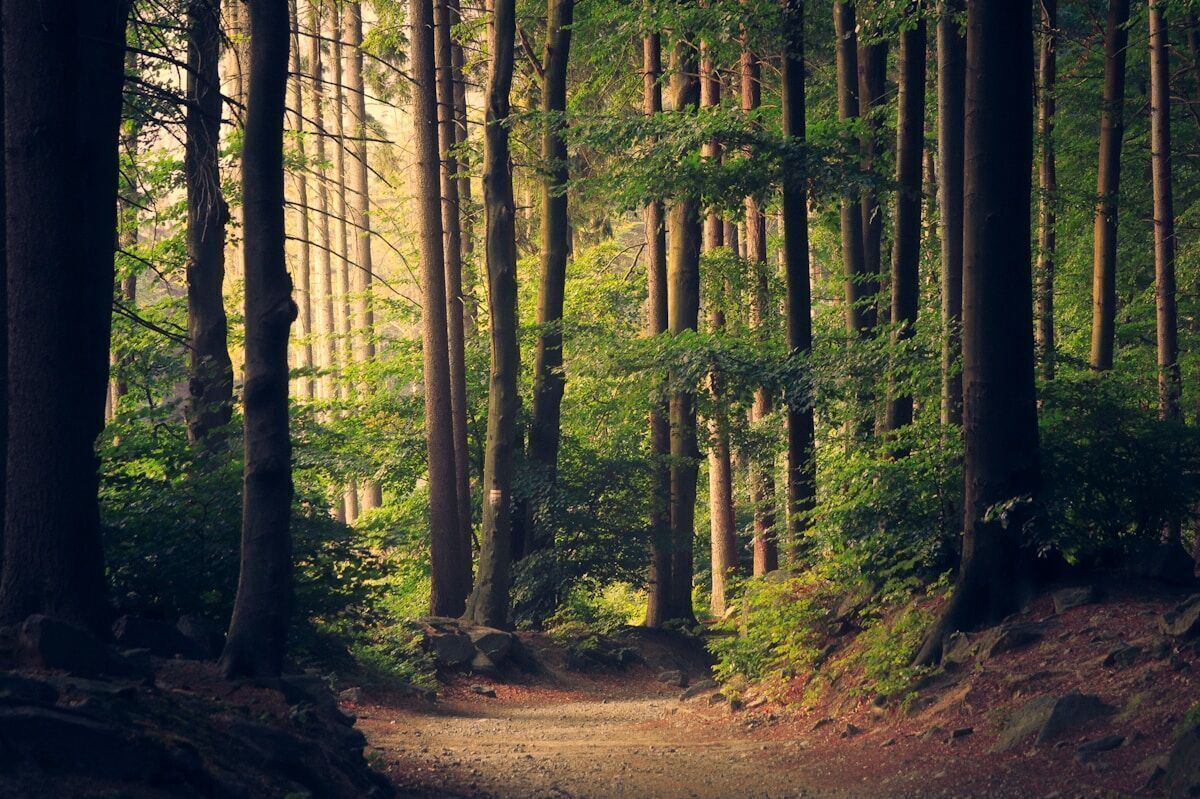
Travel writer Sam reflects on the restorative simplicity of a high-altitude sanctuary in Yunnan, where modern Western minimalism meets the a
Have you ever sat so still in the morning cold that you could hear the frost softening on the courtyard tiles?
I am writing this from a sunlit corner of a restored travel town tucked beneath the high, silent ridges of northern Yunnan. For three weeks now, my world has narrowed into a quiet, restorative rhythm of light, stone, and mountain air. The retreat I inhabit feels less like a resort and more like an ongoing dialogue between traditional Bai vernacular design and the spare, calm geometry of Western minimalism. Reclaimed fir timbers, blackened by decades of hearth smoke, stand against clean walls washed in pale, hand-troweled lime plaster. There are no gilded edges or superfluous details here—only the tactile honesty of local slate, unbleached linen, and the soft patina of time.
Morning arrives with a crystalline clarity unique to this elevation. The sun lifts over the eastern hills, slicing long, sharp shadows across raw concrete floors and low wooden platform beds. Outside my sliding glass door, a thin stream of mountain runoff moves through a hand-carved stone trough—a steady, liquid murmur that washes away the mental noise of travel. I step outside, my bare feet meeting the cool, smooth stone. I trace my hand along the edge of the tea table, a heavy slab of ancient pine salvaged from a dismantled village granary. Its grain is uneven and weathered, bearing deep knots and subtle grooves that invite touch rather than demand admiration.
Breakfast is an unhurried, intentional ritual. A clay bowl of fine rice noodles floats in a clear, golden broth infused with mountain matsutake mushrooms harvested during the late autumn rains. Beside it sits a small porcelain dish of crisp pea sprouts and a freshly brewed pot of aged, loose-leaf Pu-erh tea. The tea is the color of dark garnet, pouring smooth and earth-sweet, leaving a lingering note of damp bark and honey on the palate. The tea set itself is simple, unglazed stoneware, worn smooth at the rim where countless hands have held it. In this high valley, true luxury reveals itself not in grandeur, but in warmth, space, and the slowness of the morning.
By afternoon, I walk through the narrow, cobbled lanes of the town. The modern interventions here are almost invisible, built carefully into the existing footprint of the village. Modernist glass facades sit discreetly behind weathered cedar gates; sunken seating pits look out over quiet courtyard gardens where single Japanese maples drop red leaves onto gravel beds. I pass a small weaving atelier where a local artisan works a traditional wooden loom, the rhythmic clack-clack of the shuttle echoing down the alley. The air smells of drying tea leaves, woodsmoke, and cold pine.
As dusk falls, the sky fades from pale cobalt to a deep, bruised indigo. Low, warm lights flicker to life along the stone footbridges, casting soft reflections in the slow-moving canals. The air turns sharply cold, drawing me back toward the fireplace in my room. A single log of local oak burns softly, emitting a clean, subtle perfume of forest resin. Sitting here in the dimming light, wrapped in a heavy wool throw, I realize what makes this hidden corner of Yunnan so profoundly compelling. It does not try to hide the passage of time or the imperfection of raw materials. Instead, it elevates them, offering a rare, minimalist sanctuary where one can simply pause, breathe, and belong.

Share Your Thoughts
Have you ever experienced a farm stay in China? Share your thoughts in the comments below!
Join the Discussion →Ready for a stay?
Pugui Mountain Retreat — wabi-sabi living at 22°C.
Related Reading
The Quiet Luxury of Yunnan: Where Wabi-sabi Meets Western Minimalism
Beyond the crowds of Dali, a hidden valley in Yunnan unfolds
Yunnan's Hidden Glamping Paradise: Where Wabi-Sabi Meets Western Minimalism
Among Yunnan's mist-wrapped mountains, a new breed of wilder
Wabi-Sabi and the Wired Life: A Digital Nomad's Yunnan
In the mist-wrapped mountains of Yunnan, ancient Chinese imp