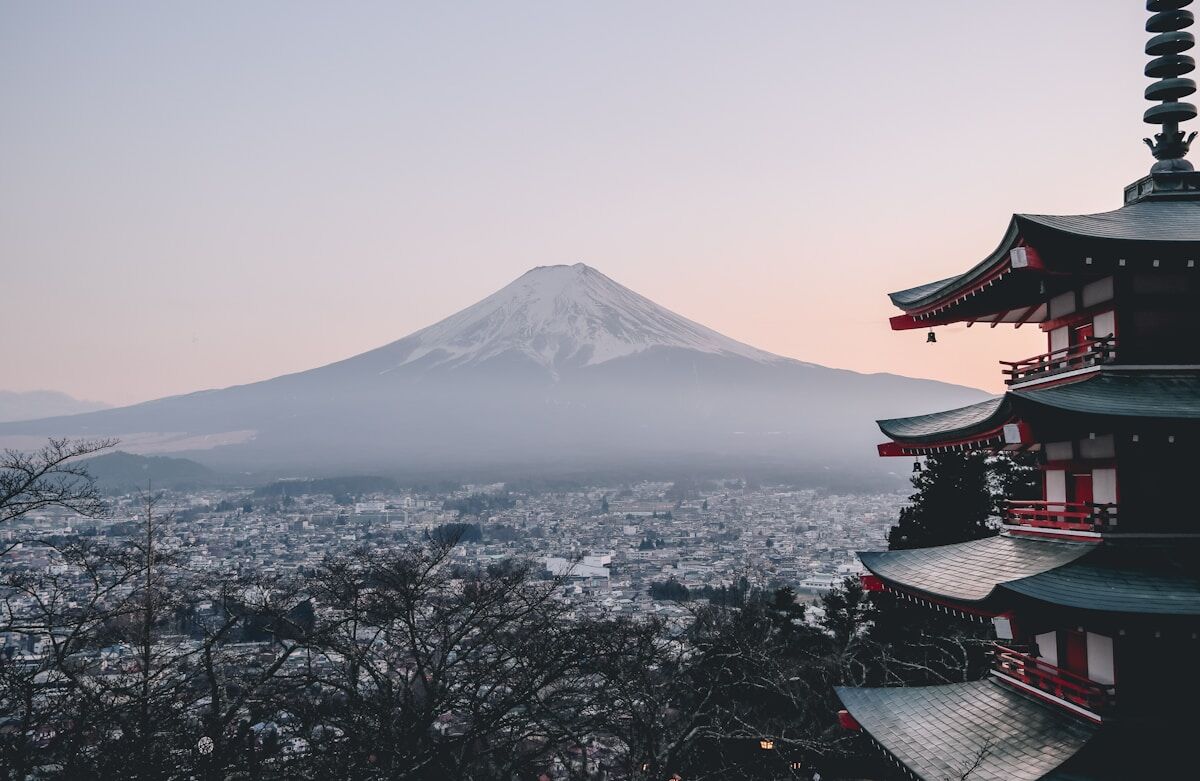
In a secluded Yunnan hamlet, Shengguantun Luxury Residence strips away grandiosity to reveal the quiet, grounding luxury of raw stone, patin
The morning sun does not burst into my room; it seeps in, filtering through the high clerestory window like water through coarse linen. I am sitting on a low bench carved from a single plank of reclaimed walnut, watching a beam of dust-mote light warm the grey micro-cement floor. Outside, the village of Shengguantun is still wrapped in mountain mist. A cast-iron kettle hums softly on the charcoal stove beside me, steam rising toward dark timber beams that have held this roof for over a century.
I have spent three weeks here, tucked into this quiet fold of Yunnan’s countryside. Shengguantun Luxury Residence is an exercise in profound restraint. The designers took the skeletal remains of old rammed-earth village homes and stripped them back to their absolute essence, intersecting raw heritage with clean, Western minimalist lines. There are no gilded flourishes or ostentatious brocades. Instead, luxury is articulated through light, sound, and textural honesty. The walls are coated in a coarse, chalky lime render that catches the shifting angle of the sun, while razor-thin matte black steel frames hold floor-to-ceiling glass, opening the indoors to terraced fields and ancient walnut groves like living monochrome scroll paintings.
Imperfection is honored here, not masked. In my bathroom, the sink is carved from a slab of local dark slate, its edges left rough and pitted where the stone naturally cleaved in the quarry. Beside it sits a small, unglazed clay pot holding a single branch of wild camellia, gathered by A-Mei, the housekeeper, on her morning walk up from the lower hamlet. Every day at eight, she delivers breakfast on a heavy lacquered tray: warm rice porridge topped with sliced Yunnan black truffle, a small dish of fermented bean curd, and crisp slices of salt-cured local ham that smell faintly of pine-wood smoke.
Living slowly in Shengguantun recalibrates your senses. In the late afternoons, when mountain rains sweep across the valley, the courtyard comes alive with the rhythm of water drumming against charcoal-tinted pavers. I sit in the central lounge—a vast, double-height space anchored by an open steel hearth—and let the afternoon slip away. The sharp, fresh smell of petrichor mixes with the woody, dried-plum aroma of thirty-year-old Pu’er tea steeping in my cup. Through the glass, the line between the manicured gravel garden and the wild, mist-shrouded ridge behind the property simply vanishes.
Western minimalism often risks feeling clinical—a cold, calculated subtraction. But here, softened by the wabi-sabi reverence for age and impermanence, it feels deeply human. The gently tarnished brass taps, the subtle hairline cracks in the plaster, the cool weight of hand-loomed Bai indigo throw blankets on the linen sofa—they are not flaws to be corrected, but quiet markers of presence. As twilight settles over Shengguantun and the low warm lanterns begin to glow through the fog, I realize that true luxury here is not what has been brought into the space, but how much room has been made for quietness to remain.

Share Your Thoughts
Have you ever experienced a farm stay in China? Share your thoughts in the comments below!
Join the Discussion →Ready for a stay?
Pugui Mountain Retreat — wabi-sabi living at 22°C.
Related Reading
The Quiet Luxury of Yunnan: Where Wabi-sabi Meets Western Minimalism
Beyond the crowds of Dali, a hidden valley in Yunnan unfolds
Yunnan's Hidden Glamping Paradise: Where Wabi-Sabi Meets Western Minimalism
Among Yunnan's mist-wrapped mountains, a new breed of wilder
Wabi-Sabi and the Wired Life: A Digital Nomad's Yunnan
In the mist-wrapped mountains of Yunnan, ancient Chinese imp