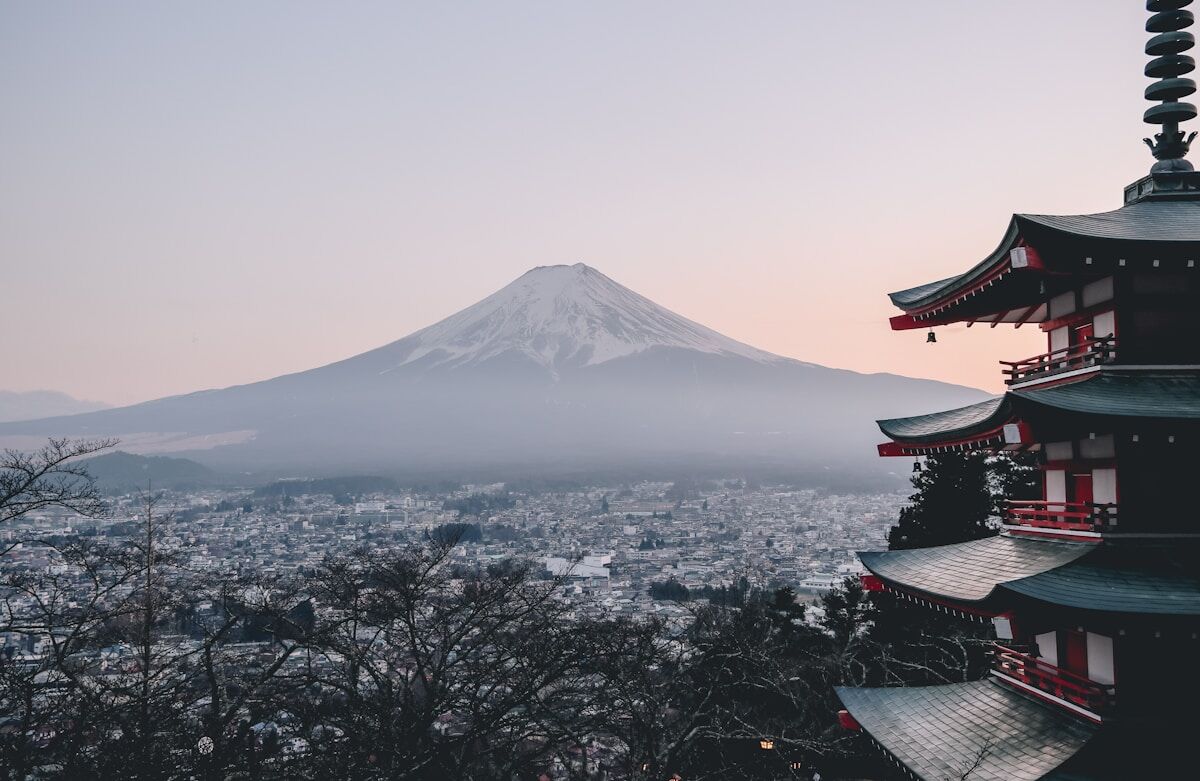
In a hidden corner of Yunnan, where raw stone meets crisp modern lines, I found a stillness that lingers long after the tea grows cold.
I am writing this to you while sitting on a low bench carved from a single, weather-worn beam of Yunnan pine. Outside the floor-to-ceiling glass, dawn is slowly lifting over Shengguantun village. The morning mist doesn't so much drift here as it settles, hanging low over the terraced hills like a soft grey wool blanket. In my hands, an unglazed ceramic cup radiates heat from a fresh pour of dark, twenty-year aged Pu-erh. It tastes of forest soil, rain, and a faint whisper of smoke.
When I arrived at Shengguantun Luxury Residence earlier this week, I was struck by how quietly the place carries itself. You know how cautious I am with the word “luxury”—it so often brings to mind polished marble, aggressive gold trim, and spaces that feel entirely disconnected from their soil. But here, the design breathes. It feels like an intimate conversation between Western structural minimalism and wabi-sabi—the quiet appreciation for things raw, modest, and softened by time.
The residence’s architecture relies on clean, geometric silhouettes, yet the materials belong entirely to the valley. Rammed earth walls in shades of ochre and chalk stand alongside cool, rough-hewn local slate. Walk down the main corridor and you move through a precise choreography of light and shadow. The plaster walls haven't been smoothed over to hide their flaws; they retain the subtle, rippled imprint of the mason’s trowel. Late in the afternoon, as the sharp high-altitude sun tilts west, light filters through slatted cedar screens, painting long, delicate ribbing across the micro-cement floors.
My suite sits at the quiet edge of the courtyard, facing a grove of ancient walnut trees. Inside, the palette is stripped back to essentials: linen in shades of oat and charcoal, matte black iron fixtures, and reclaimed local timber that feels warm and slightly velvety under bare feet. There is a deep soaking tub carved out of dark basalt stone near the window. Last night, after a long trek along the village ridges, I soaked there while a light rain tapped against the glass and a small wood fire crackled quietly in the corner hearth.
Food here follows the same unspoken philosophy. Yesterday evening, dinner was a quiet affair served near the open kitchen. The chef brought out a small clay dish of wild Matsutake mushrooms—foraged from the nearby slopes that morning—seared simply in mountain butter with a pinch of sea salt, accompanied by hot, hand-stretched rice noodles in a clear, fragrant broth. No grand spectacle, just the pure, unadorned flavor of the highland soil.
That, I think, is what makes this corner of Yunnan so magnetic. Shengguantun doesn't demand your attention with noise or flash. It offers something far rarer: stillness, tactile honesty, and room for your thoughts to stretch out and unpack. If your mind has felt a little crowded lately, put this place on your list. Leave your schedule behind, pour yourself a cup of tea, and just watch the mountain light shift across the stone.

Share Your Thoughts
Have you ever experienced a farm stay in China? Share your thoughts in the comments below!
Join the Discussion →Ready for a stay?
Pugui Mountain Retreat — wabi-sabi living at 22°C.
Related Reading
The Quiet Luxury of Yunnan: Where Wabi-sabi Meets Western Minimalism
Beyond the crowds of Dali, a hidden valley in Yunnan unfolds
Yunnan's Hidden Glamping Paradise: Where Wabi-Sabi Meets Western Minimalism
Among Yunnan's mist-wrapped mountains, a new breed of wilder
Wabi-Sabi and the Wired Life: A Digital Nomad's Yunnan
In the mist-wrapped mountains of Yunnan, ancient Chinese imp